
framed backlit mirror
Replacing a pressure valve on a water heater is a vital maintenance task that can enhance the efficiency and longevity of your appliance. As someone with years of experience in plumbing and home maintenance, I understand the importance of ensuring every component of your water heater functions optimally. The pressure relief valve, often overlooked, plays a critical role in preventing excess pressure buildup, which could lead to serious damage or even explosion. Understanding the Function of the Pressure Valve The pressure relief valve is a safety feature designed to release water and decrease pressure within the tank if it gets too high. It's essential for the protection and operational efficiency of your water heater. Without it, the increasing pressure could cause the tank to burst, leading to costly repairs and dangerous situations. Identifying When Replacement Is Necessary From a professional standpoint, the first step in replacing a pressure valve is recognizing when it's time for a replacement. Signs that your valve may be failing include water leakage around the base of the valve, inability to release pressure, or if the valve doesn't sound like it’s functioning properly during regular checks. Consistent monitoring and maintenance checks of this valve are essential, typically on an annual basis, to ensure your water heater remains in top condition. Expert Steps in Replacing the Pressure Valve Safety is paramount. Begin by turning off the power supply to the water heater, whether it's electric or gas. Then, shut off the cold water supply that leads into the tank to prevent refills during maintenance. Next, relieve the pressure in the tank by opening a hot water faucet in your house and allowing it to run until it is cool. Drain the tank slightly by connecting a garden hose to the drain valve to allow the pressure valve to be removed without spilling water. replacing pressure valve on water heater With a pipe wrench, carefully remove the existing pressure relief valve from the heater . It’s crucial to inspect this valve once removed. If you notice mineral deposits or rust around it, consider flushing your tank to prevent further issues. Installing the new valve involves wrapping the threads with plumber's tape—this ensures a watertight seal. Carefully screw the new valve into place without overtightening, which can damage the threads and lead to leaks. Restoring Power and Checking for Leaks Reopen the water supply to the water heater and allow it to fill completely. Only then should you restore power to the unit, ensuring the water is heated safely. Once the unit is back online, monitor the pressure valve for any signs of leaks, which is a telltale indicator of improper installation or a defective valve. Establishing Trust and Reliability In my professional experience, ensuring every component of your water heater works correctly builds not only an efficient system but also peace of mind. By following these expert steps and understanding the importance of every part of your system, you can prevent costly incidents and extend the life of your water heater. If you encounter difficulties or uncertainties during valve replacement, consulting with a certified plumber is always recommended. Leveraging industry expertise not only confirms DIY efforts but also enhances trust in the safety and efficacy of your home systems. Overall, handling the replacement of a water heater pressure valve with care, precision, and regular maintenance reflects a commitment to home safety standards. It's an investment in your home’s functionality that pays dividends in trustworthiness and authoritative maintenance practices.
about
framed backlit mirror
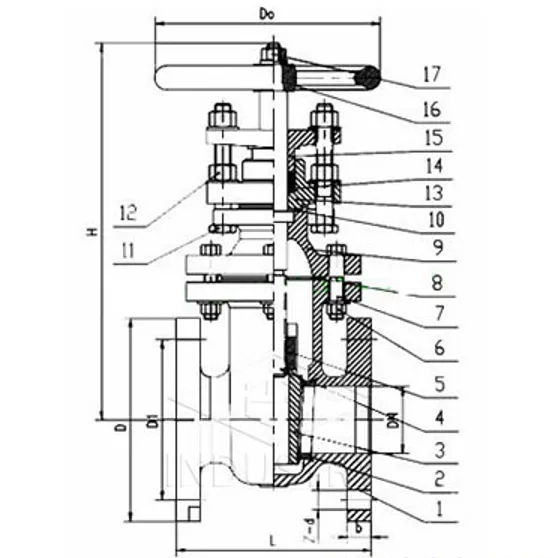
Understanding the Factors Influencing 12% Gate Valve Prices Gate valves are essential components in various industrial applications, providing reliable performance for controlling fluid flow in pipelines. With a variety of designs and specifications available, determining the price of a 12% gate valve can be complex. This article delves into the factors influencing the pricing of these valves, providing insights into how buyers can approach their purchasing decisions. 1. Material Composition The first and foremost factor affecting the price of a gate valve is the material used in its construction. Common materials include cast iron, stainless steel, and bronze. Stainless steel, while generally more expensive, offers superior corrosion resistance and durability, making it ideal for harsh environments. Cast iron, on the other hand, is more cost-effective and is suitable for less demanding applications. The choice of material directly impacts both the initial cost and the long-term value of the valve. Understanding the Factors Influencing 12% Gate Valve Prices 3. Pressure and Temperature Ratings Gate valves are rated for specific pressure and temperature ranges, and these ratings will significantly influence their cost. Valves designed to withstand high pressures and extreme temperatures typically feature more robust construction and advanced materials, leading to higher prices. Buyers should consider both the operational requirements and the cost implications when selecting valves for their applications. 12 gate valve price 4. Size and Flow Capacity The size of the gate valve is another critical factor in determining its price. Generally, larger valves require more material and more elaborate manufacturing processes, resulting in higher costs. Additionally, the flow capacity, which relates directly to the size and internal design of the valve, can also impact pricing. Buyers should evaluate their needs carefully to select appropriately sized valves without incurring unnecessary costs. 5. Manufacturing Standards and Certifications Valves must meet specific industry standards and certifications, such as American National Standards Institute (ANSI) or International Organization for Standardization (ISO) standards. Valves that adhere to these rigorous standards often come at a premium due to the additional quality assurance and testing required. Investing in certified products can reduce maintenance costs and improve system reliability in the long run. 6. Market Demand and Supply Economic conditions, supply chain disruptions, and changes in demand significantly impact the pricing of gate valves. For instance, during periods of heightened industrial activity, demand for gate valves may outstrip supply, leading to increased prices. Conversely, during economic downturns or when there is an oversupply of components, prices may decrease. Buyers should stay informed about market trends to make timely and cost-effective purchasing decisions. 7. Manufacturer Reputation and Warranty The reputation of the manufacturer can also play a central role in the pricing of gate valves. Established manufacturers with a track record of producing high-quality, reliable products may command higher prices, but they often provide enhanced warranty terms and customer support. When considering price, it is crucial to evaluate the overall value offered by the manufacturer, including after-sales service and the reliability of their products. 8. Conclusion In conclusion, the price of a 12% gate valve is influenced by a myriad of factors including material composition, design, pressure ratings, size, manufacturing standards, market demand, and manufacturer reputation. It is crucial for buyers to thoroughly assess their specific application requirements and budget constraints in order to make informed purchasing decisions. By understanding these factors, customers can ensure they invest in the right gate valve that not only meets their operational needs but also offers a good return on investment over time. As industries continue to evolve, staying abreast of price trends and technological advancements in valve manufacturing will be essential for maintaining efficient and cost-effective operations.
-

High quality industrial productsagement

High quality industrial products
View Details -

Meet the diverse needs of customers

Meet the diverse needs of customers
View Details -

Strict quality control

Strict quality control
View Details -

Top raw materials

Top raw materials
View Details -

Trusted supplier

Trusted supplier
View Details
Our application



news and information
welding v block
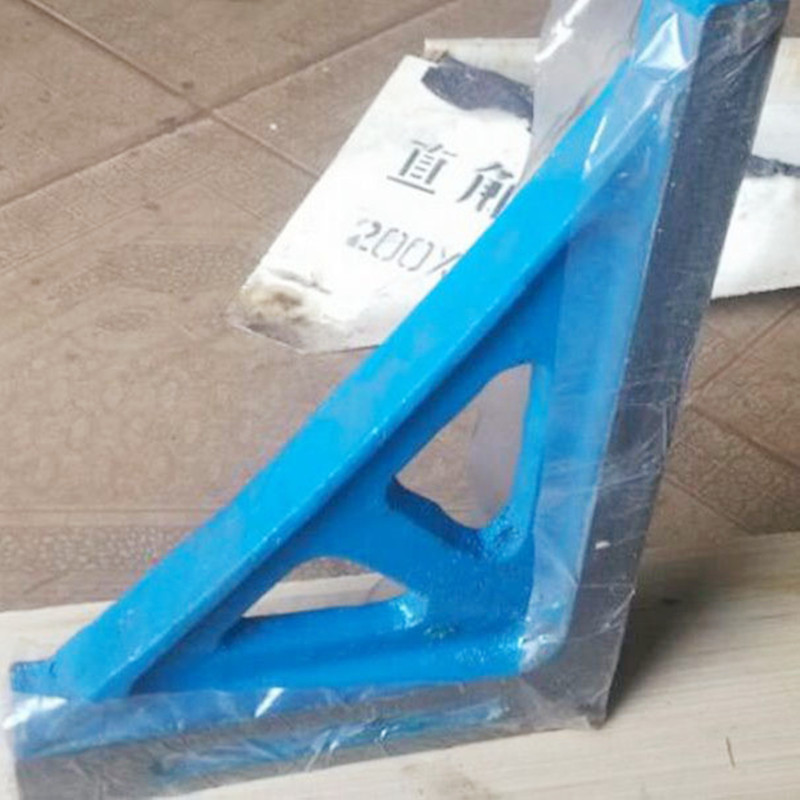
Understanding the Role of a V-Block in Welding Welding is a critical process in various industries,
Válvula borterilha de 1,5 polegadas para aplicações industriais e de encanamento.
Válvula Borboleta de 1.5 Polegadas Um Componente Essencial na Indústria As válvulas borboleta desemp
Wholesale Valve Selection_ How to Choose the Right Types of Water Valves for Commercial Plumbing
Water valves are essential components in plumbing and industrial systems, controlling the flow and p
 English